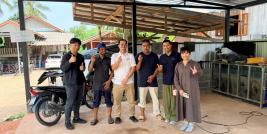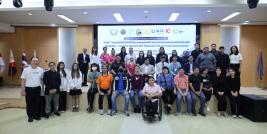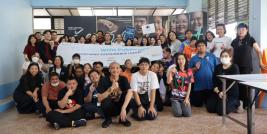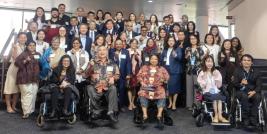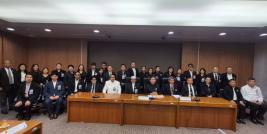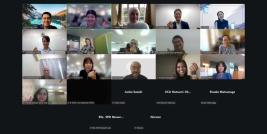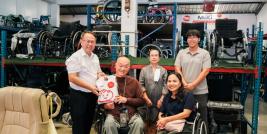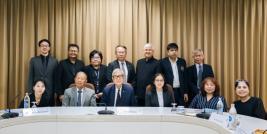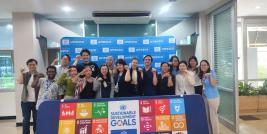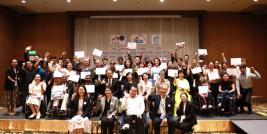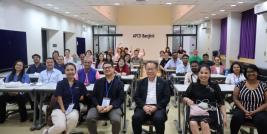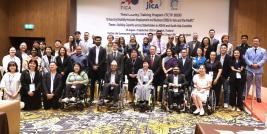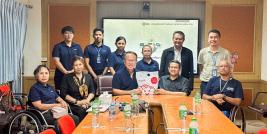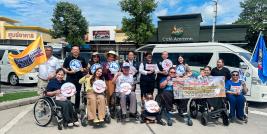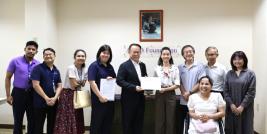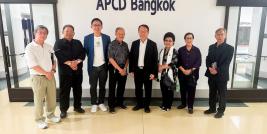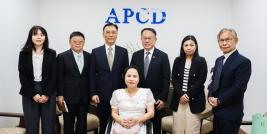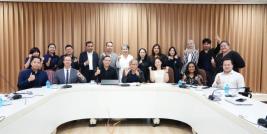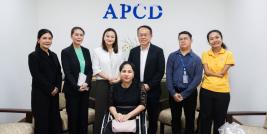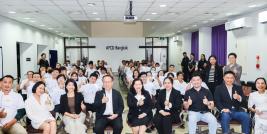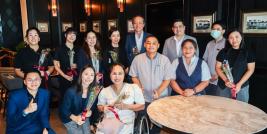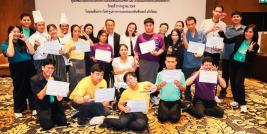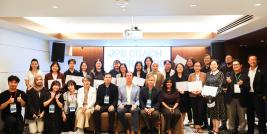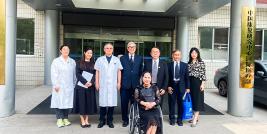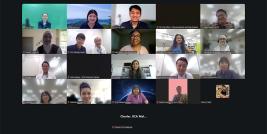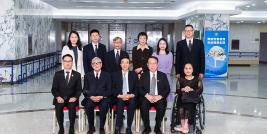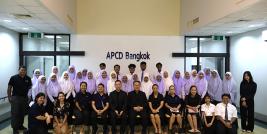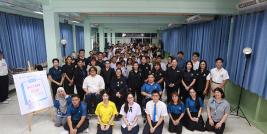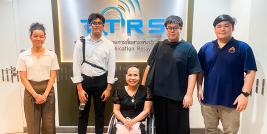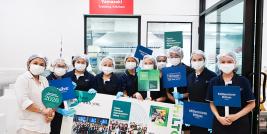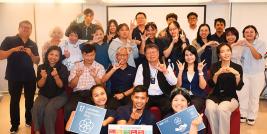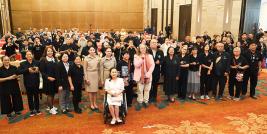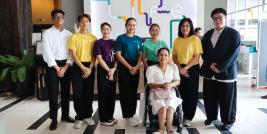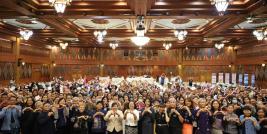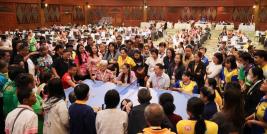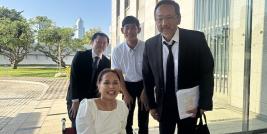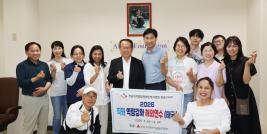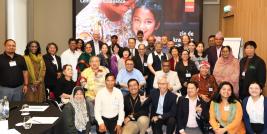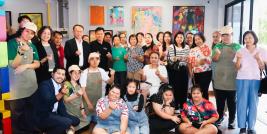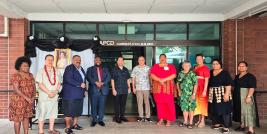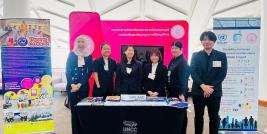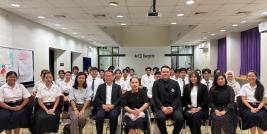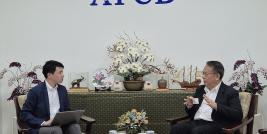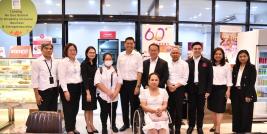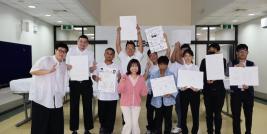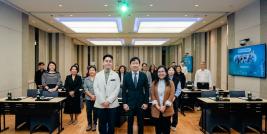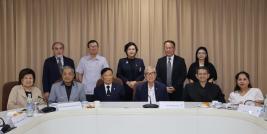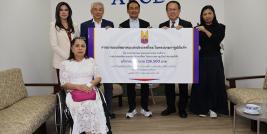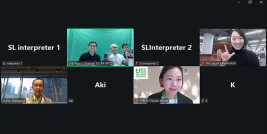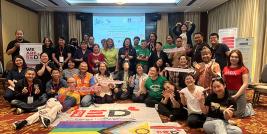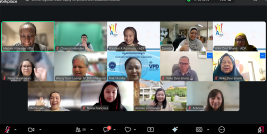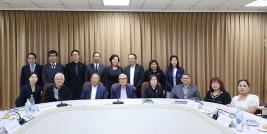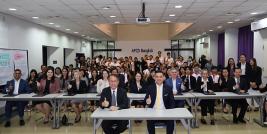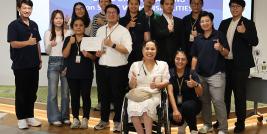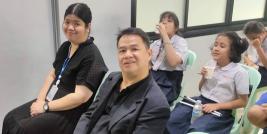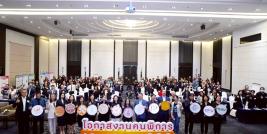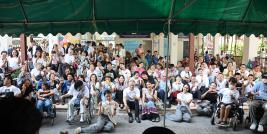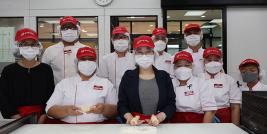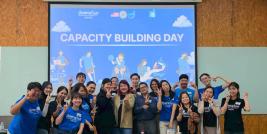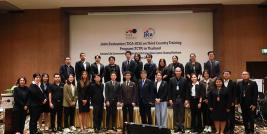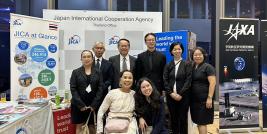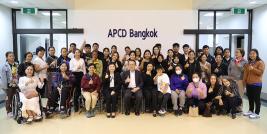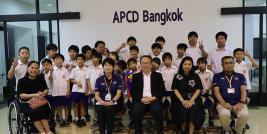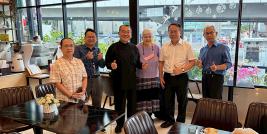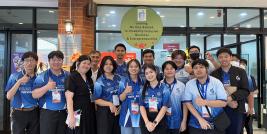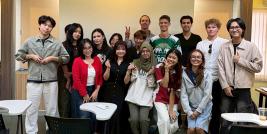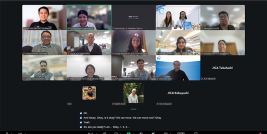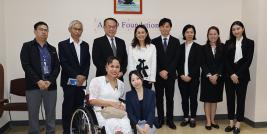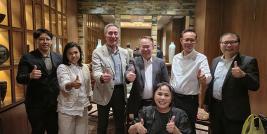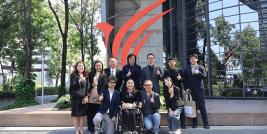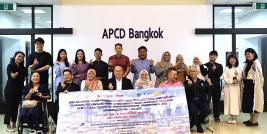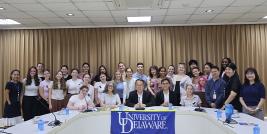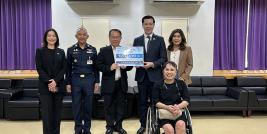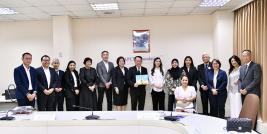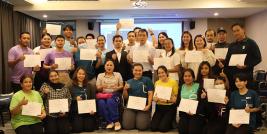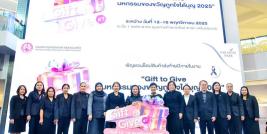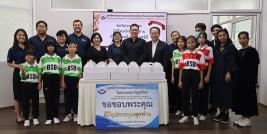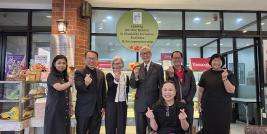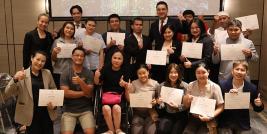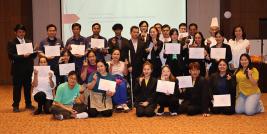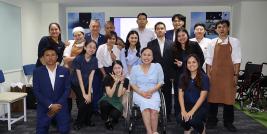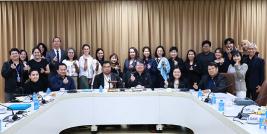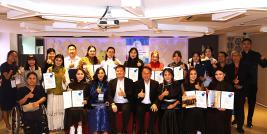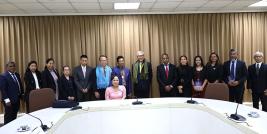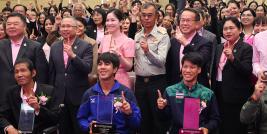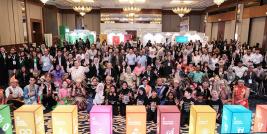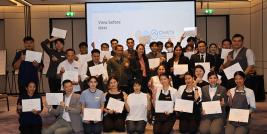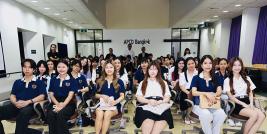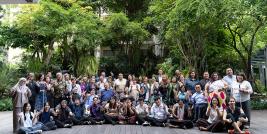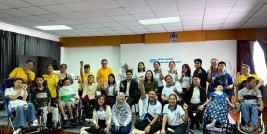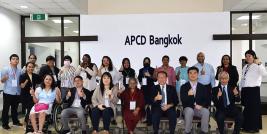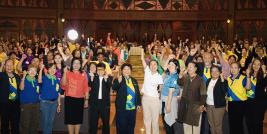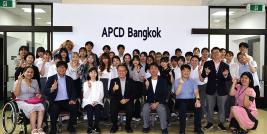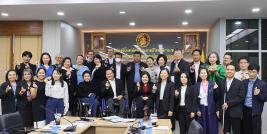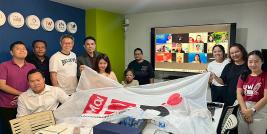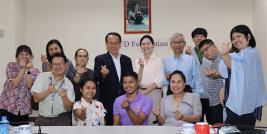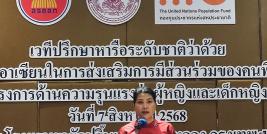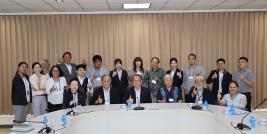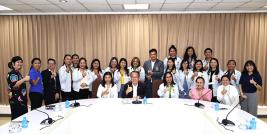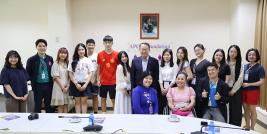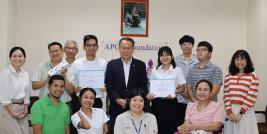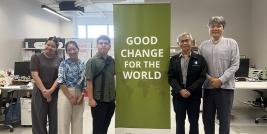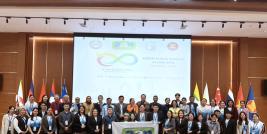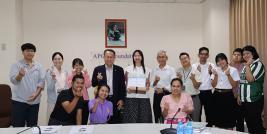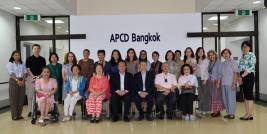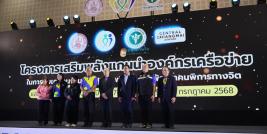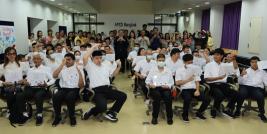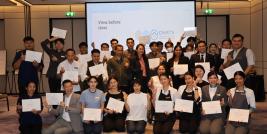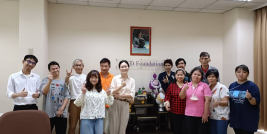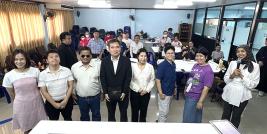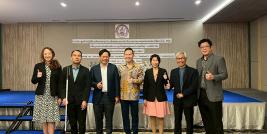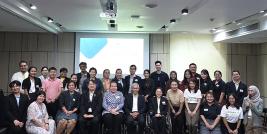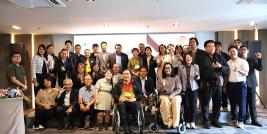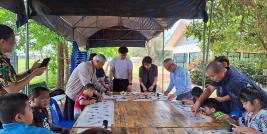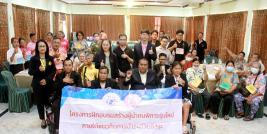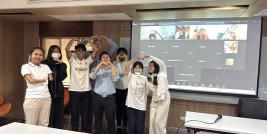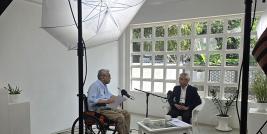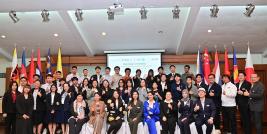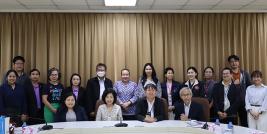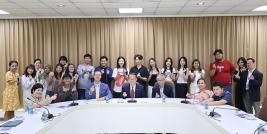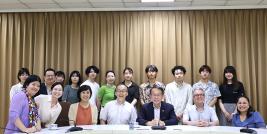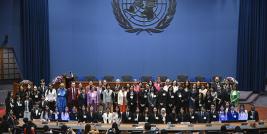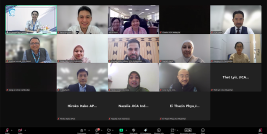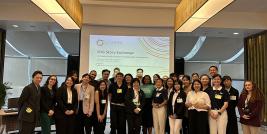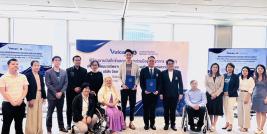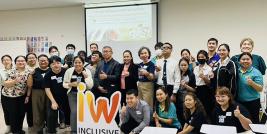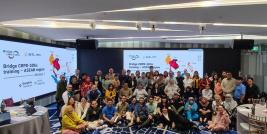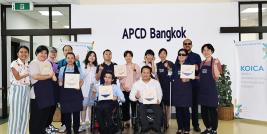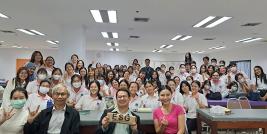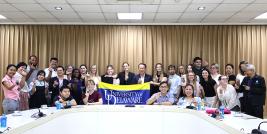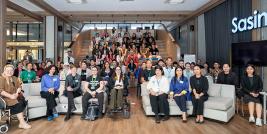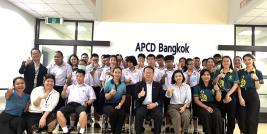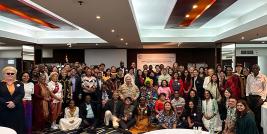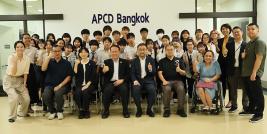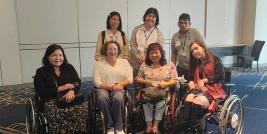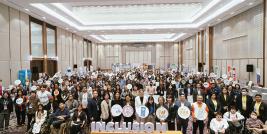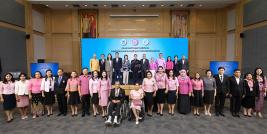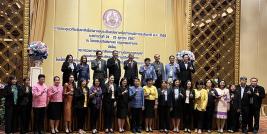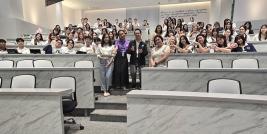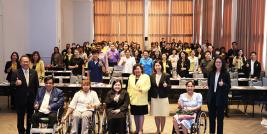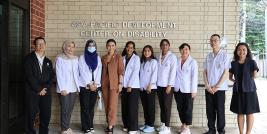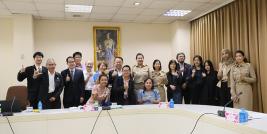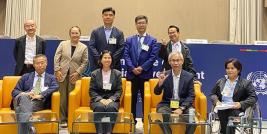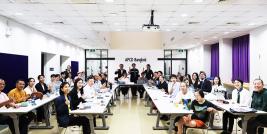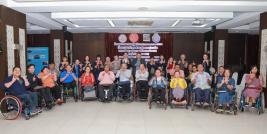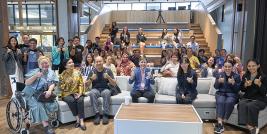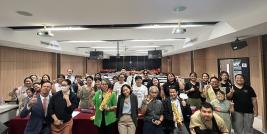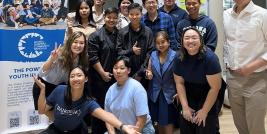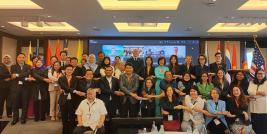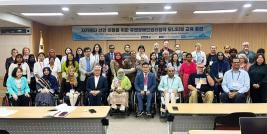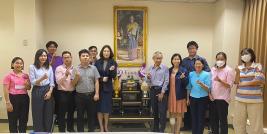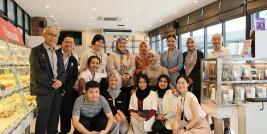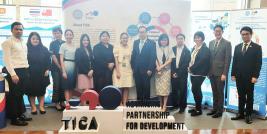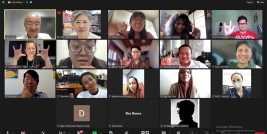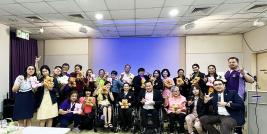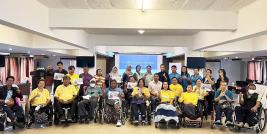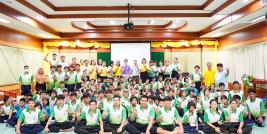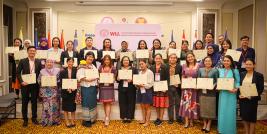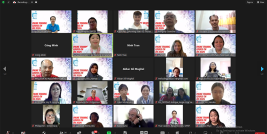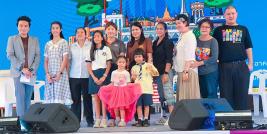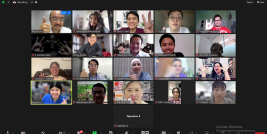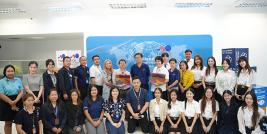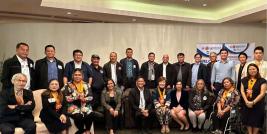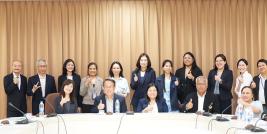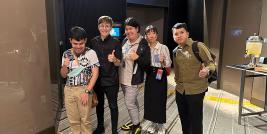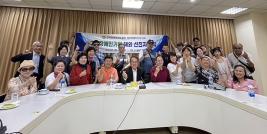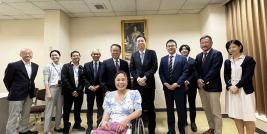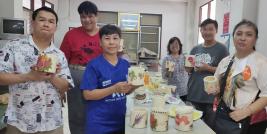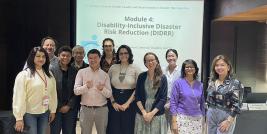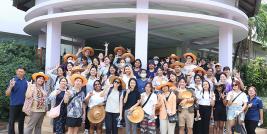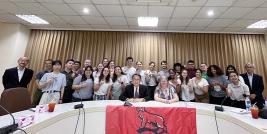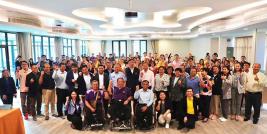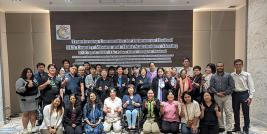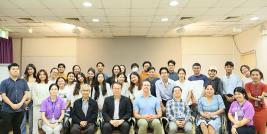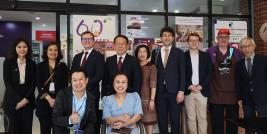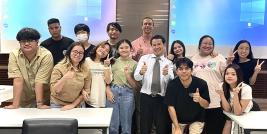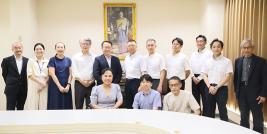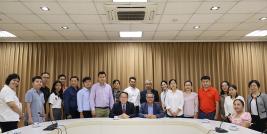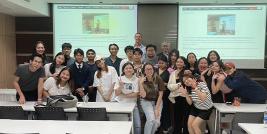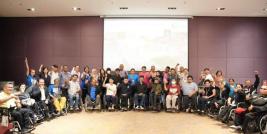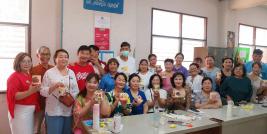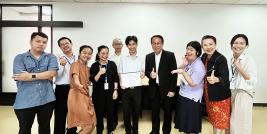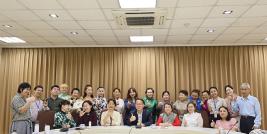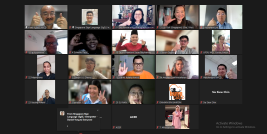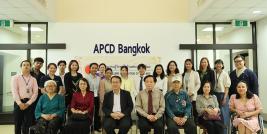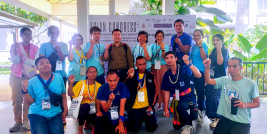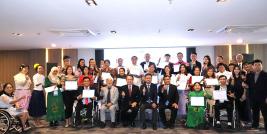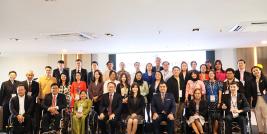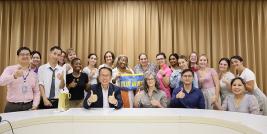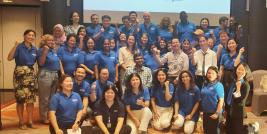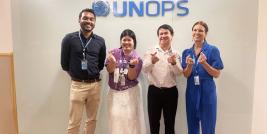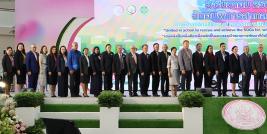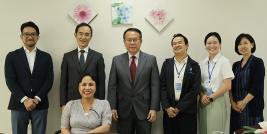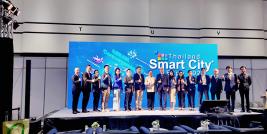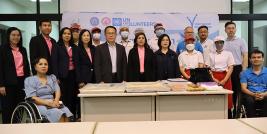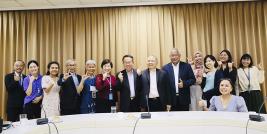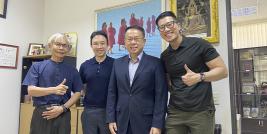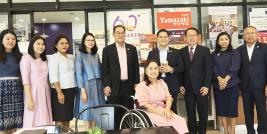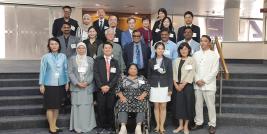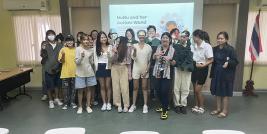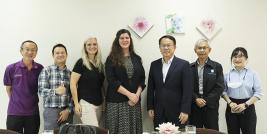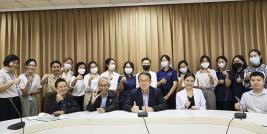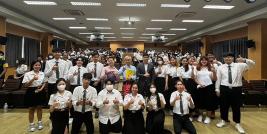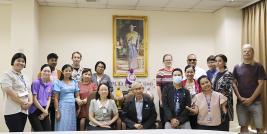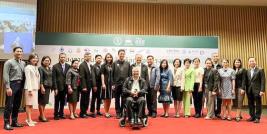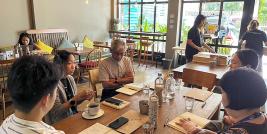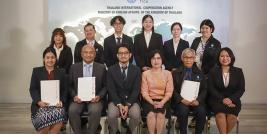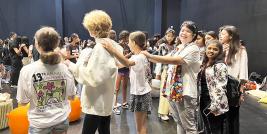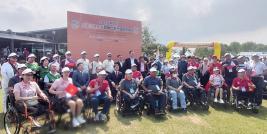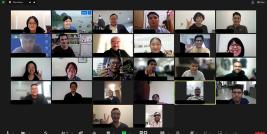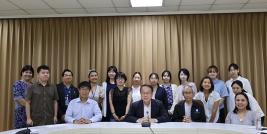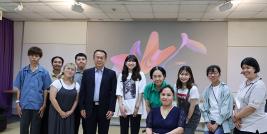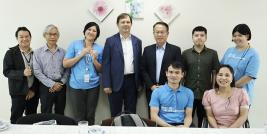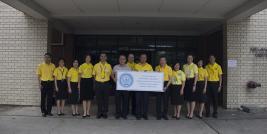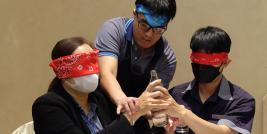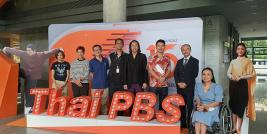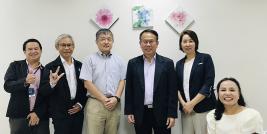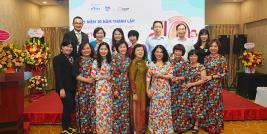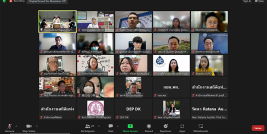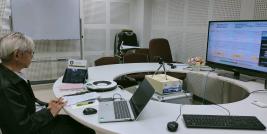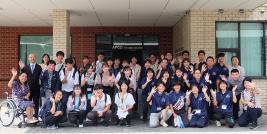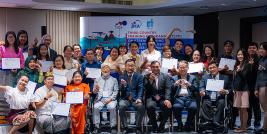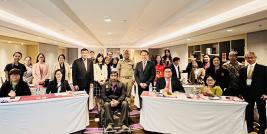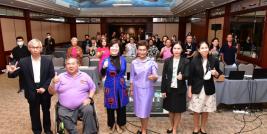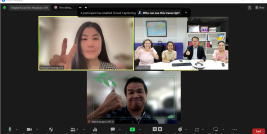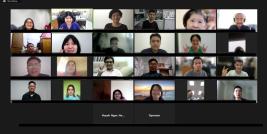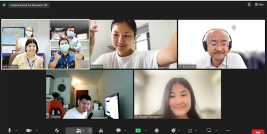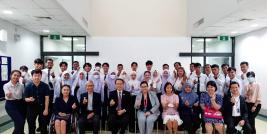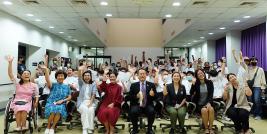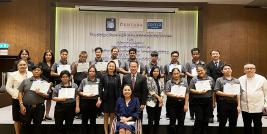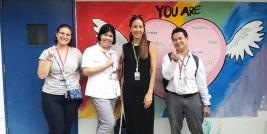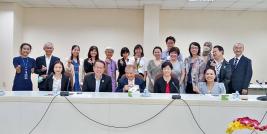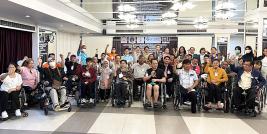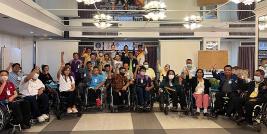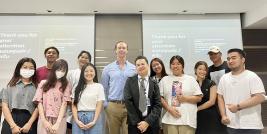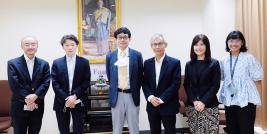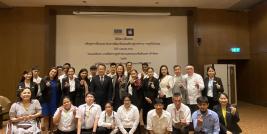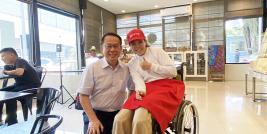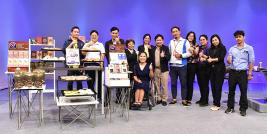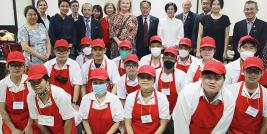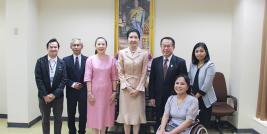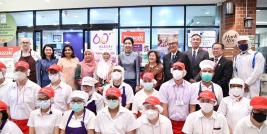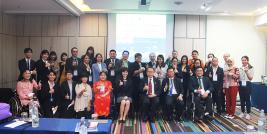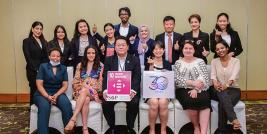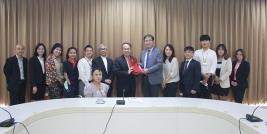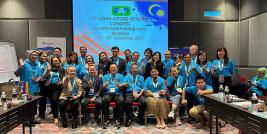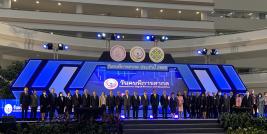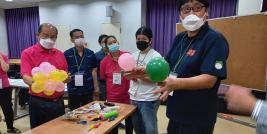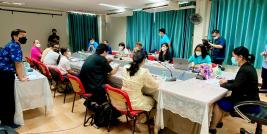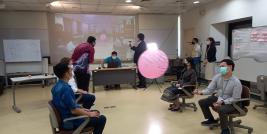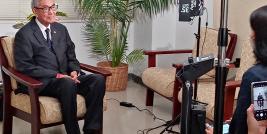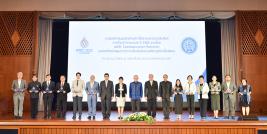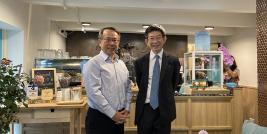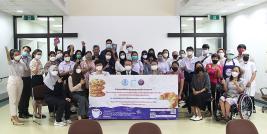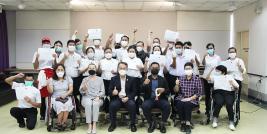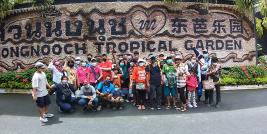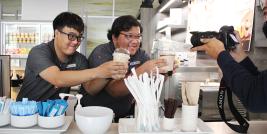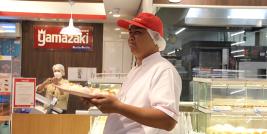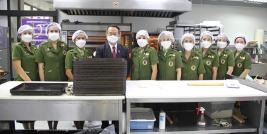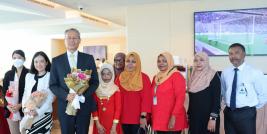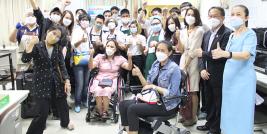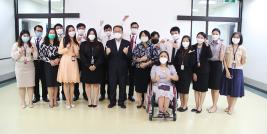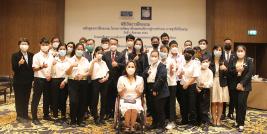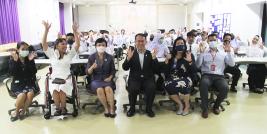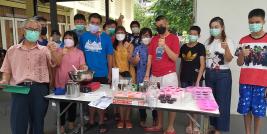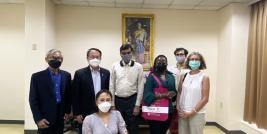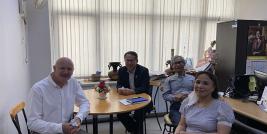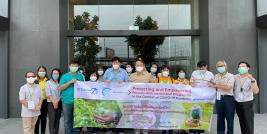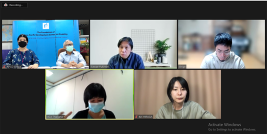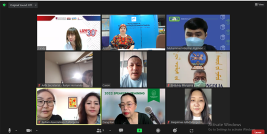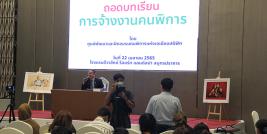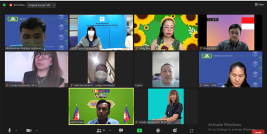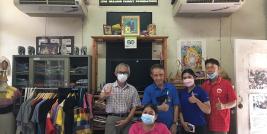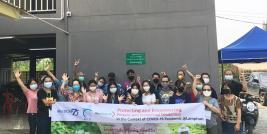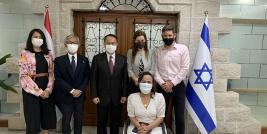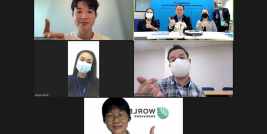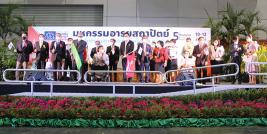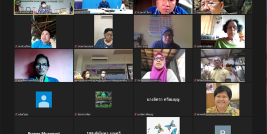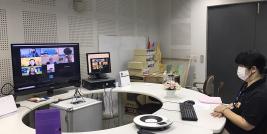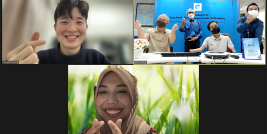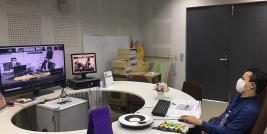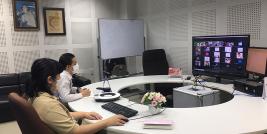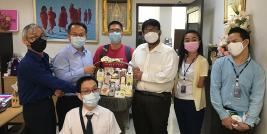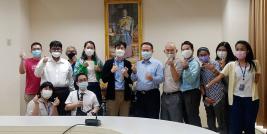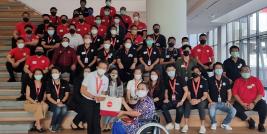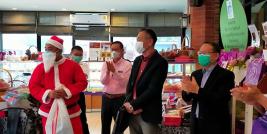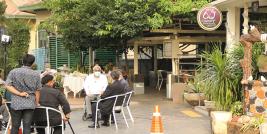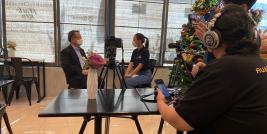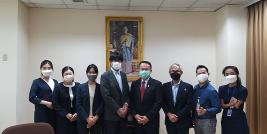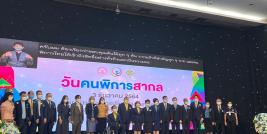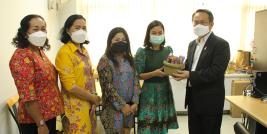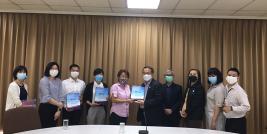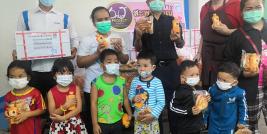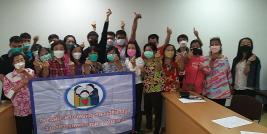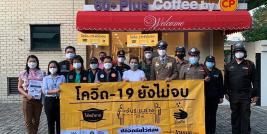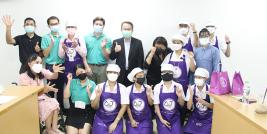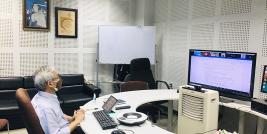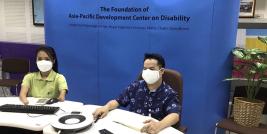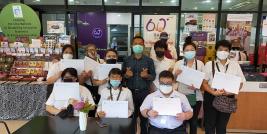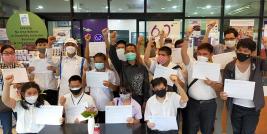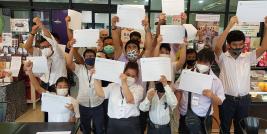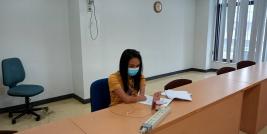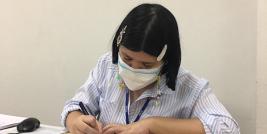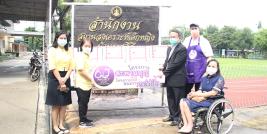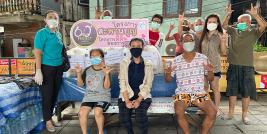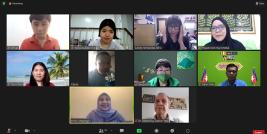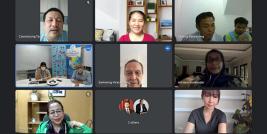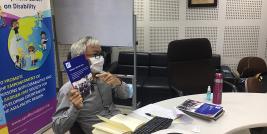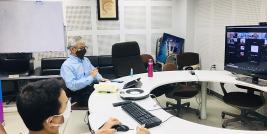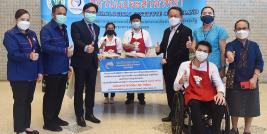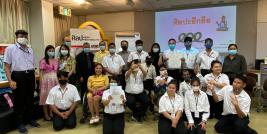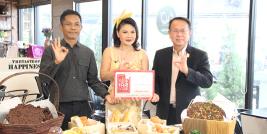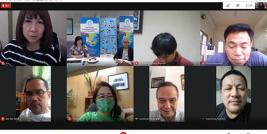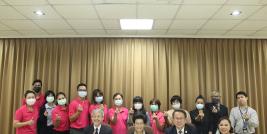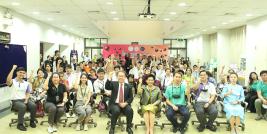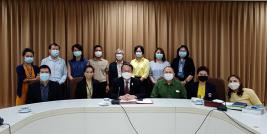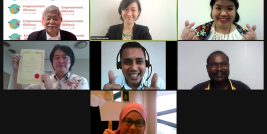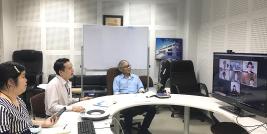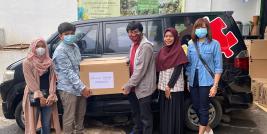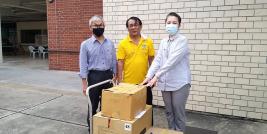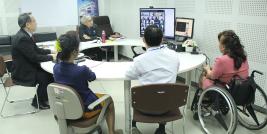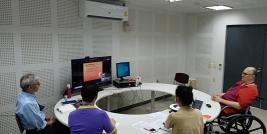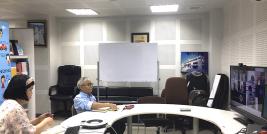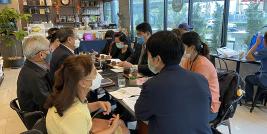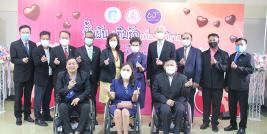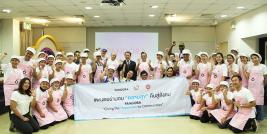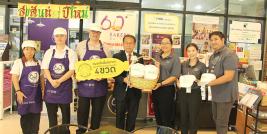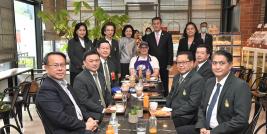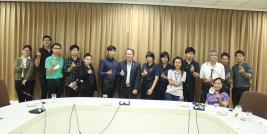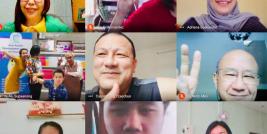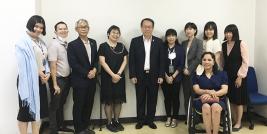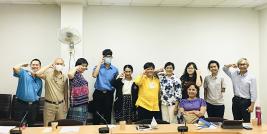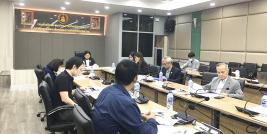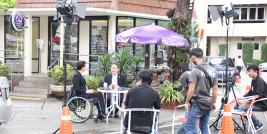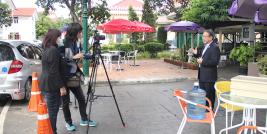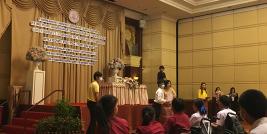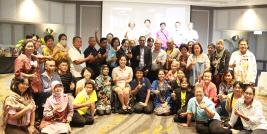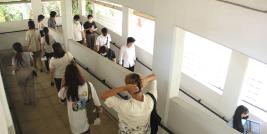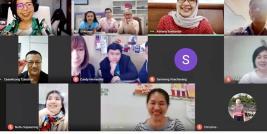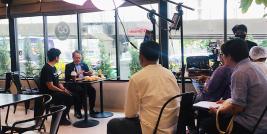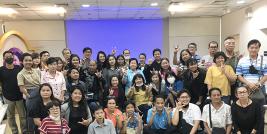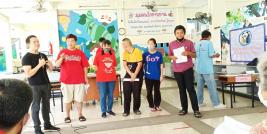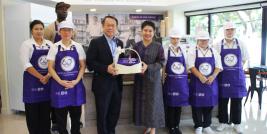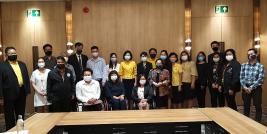



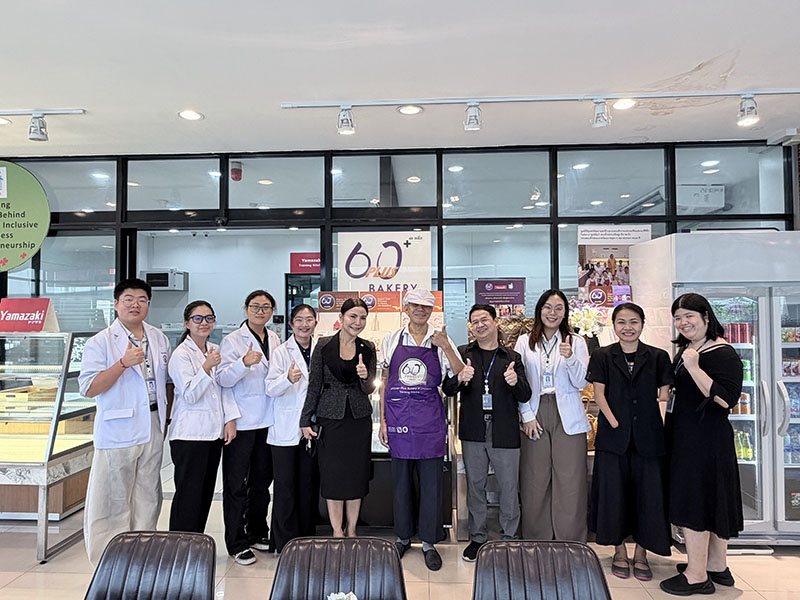
ภาพถ่ายหมู่นักศึกษา อาจารย์ และเจ้าหน้าที่ APCD ร่วมกับผู้พิการทางการมองเห็นซึ่งตาบอดสนิท ที่ทำงานอยู่ในโครงการร้าน APCD 60+ Bakery & Chocolate Café
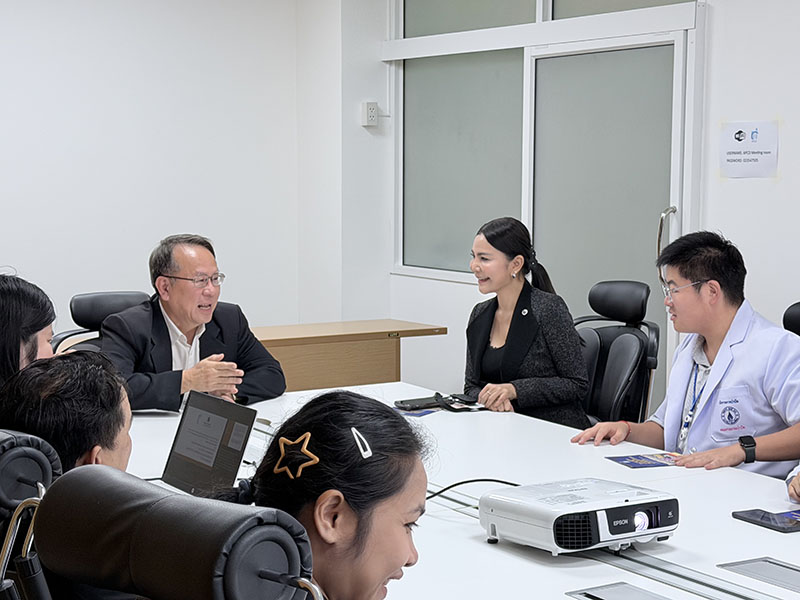
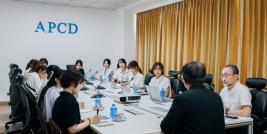
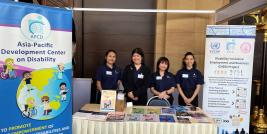
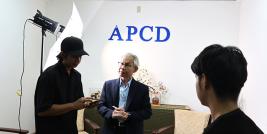
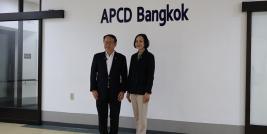
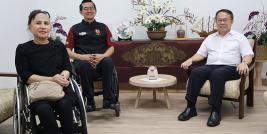
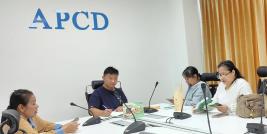
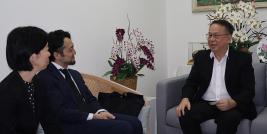
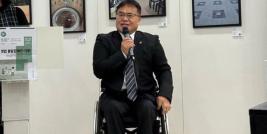
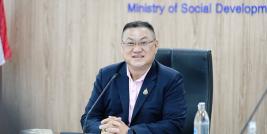
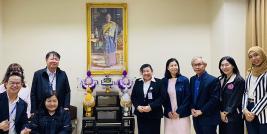
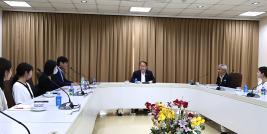
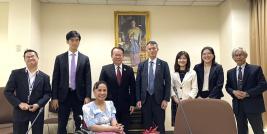
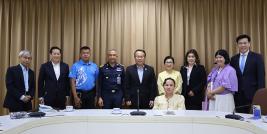
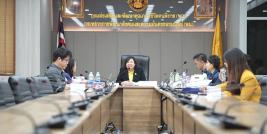
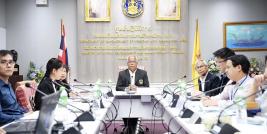
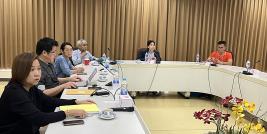
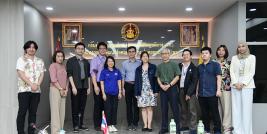
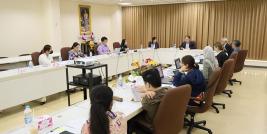
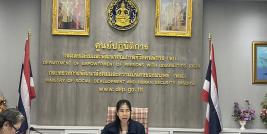
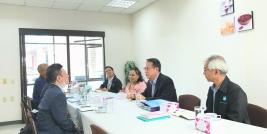
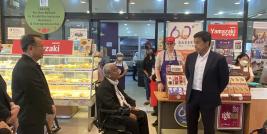
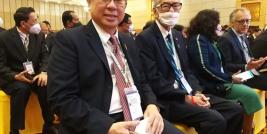
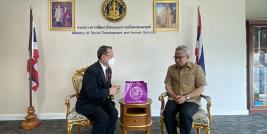
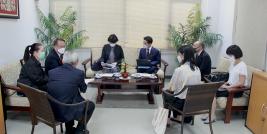
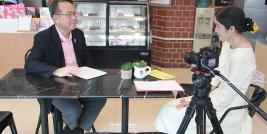
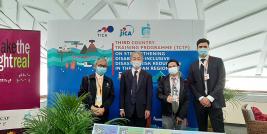
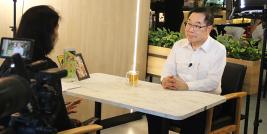
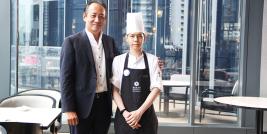
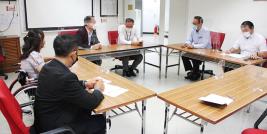
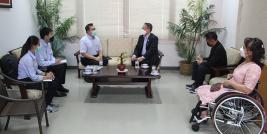
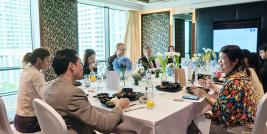
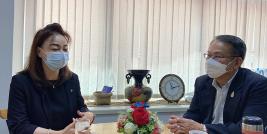
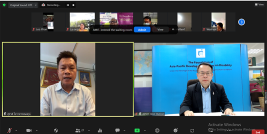
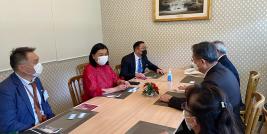
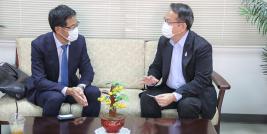
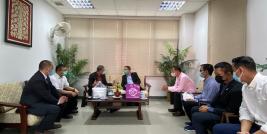
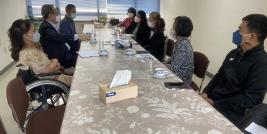
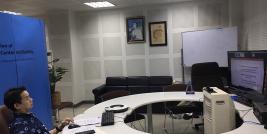
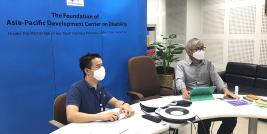
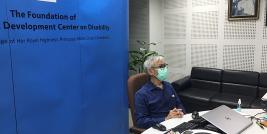
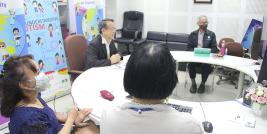
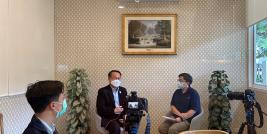
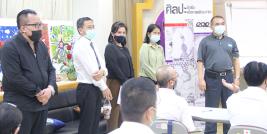
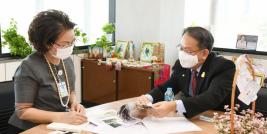
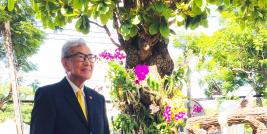
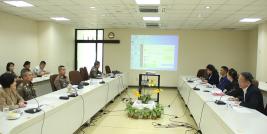
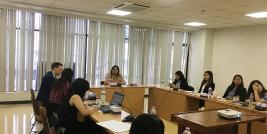
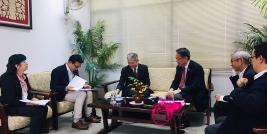
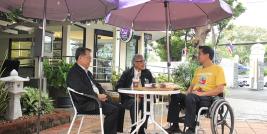
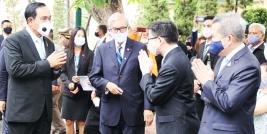
นายพิรุณ ลายสมิต ผู้อำนวยการบริหาร ศพอ. กล่าวต้อนรับคณะที่มาเยี่ยมชมดูงานอย่างอบอุ่น
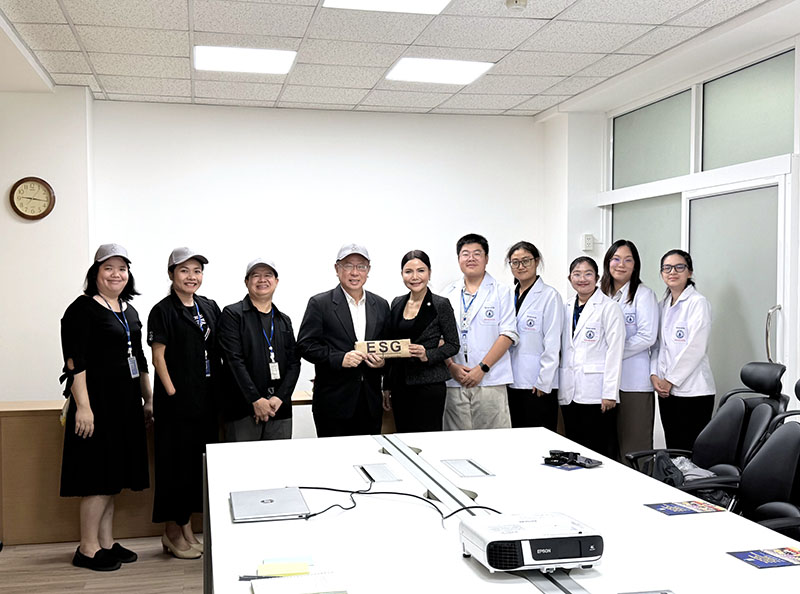
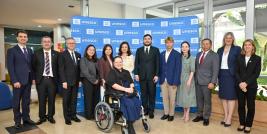
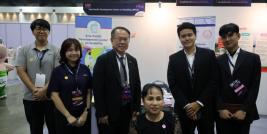
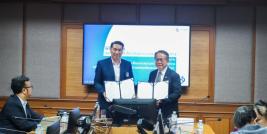
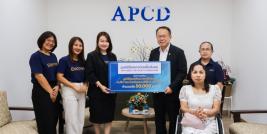
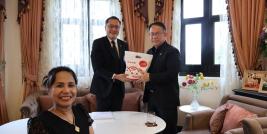
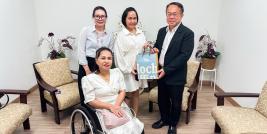
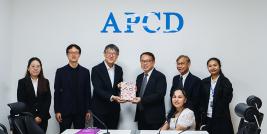
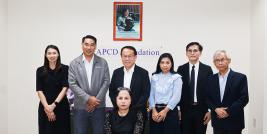
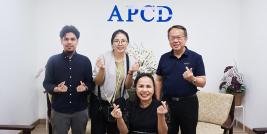
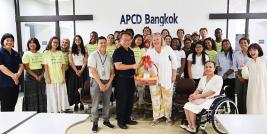
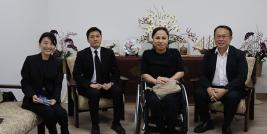
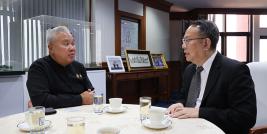
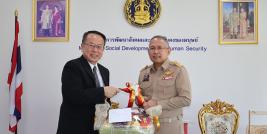
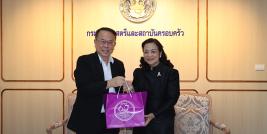
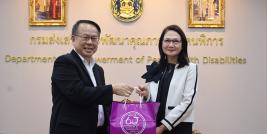
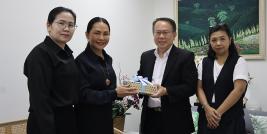
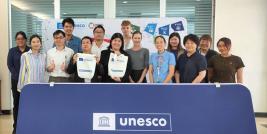
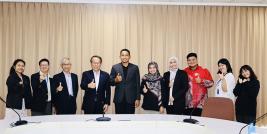
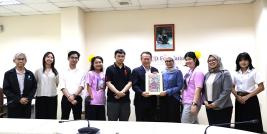
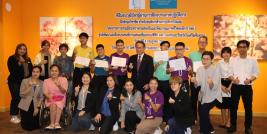
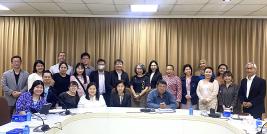
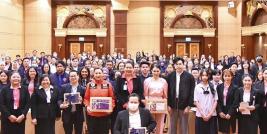
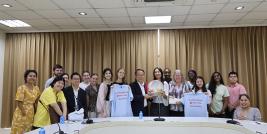
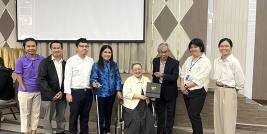
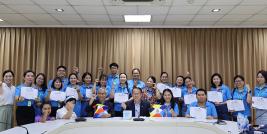
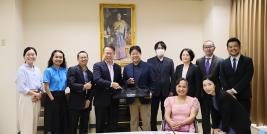
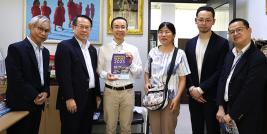
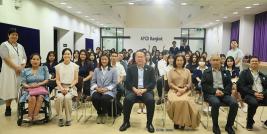
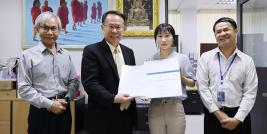
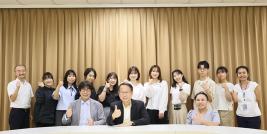
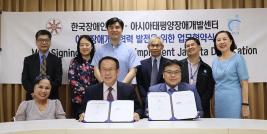
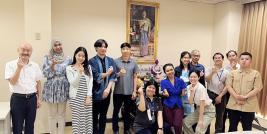
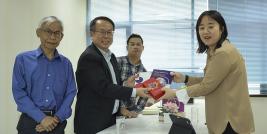
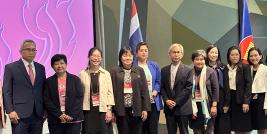
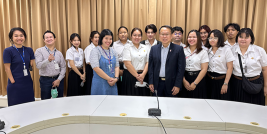
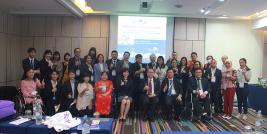
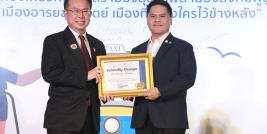
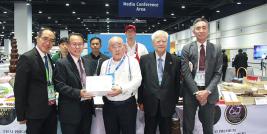
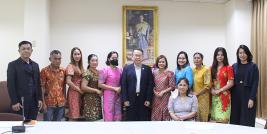
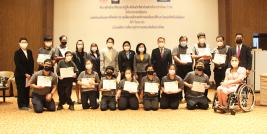
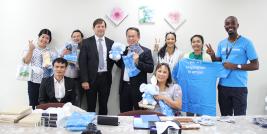
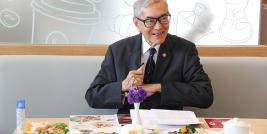
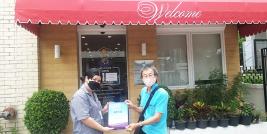
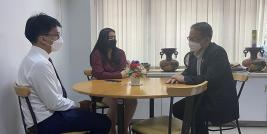
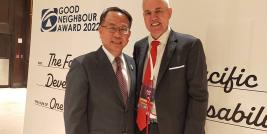
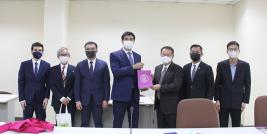
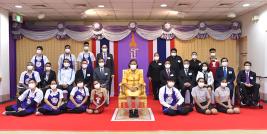
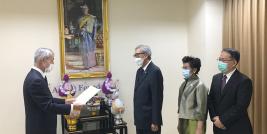
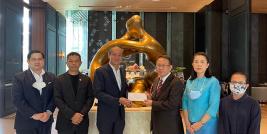
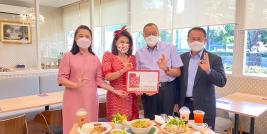
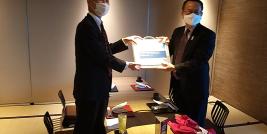
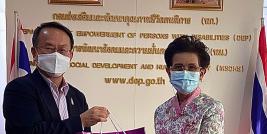
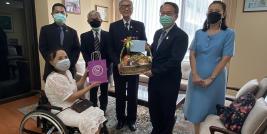
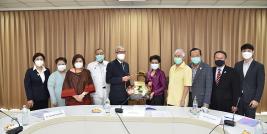
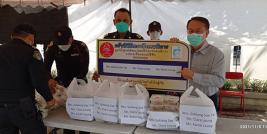
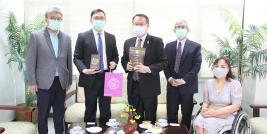
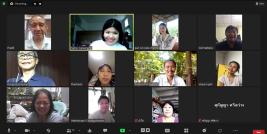
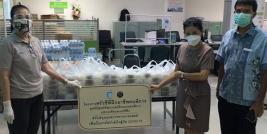
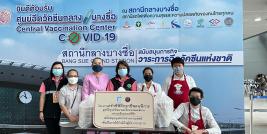
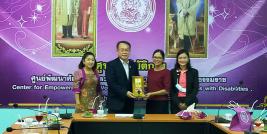
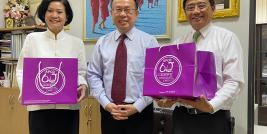
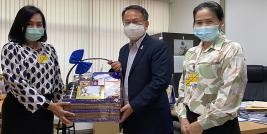
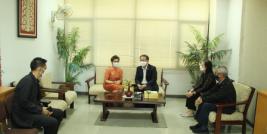
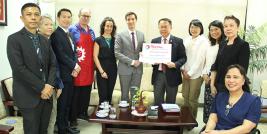
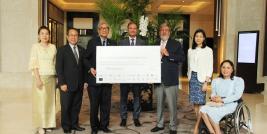
ดร.กภ.ภครตี ชัยวัฒน์ มอบของที่ระลึกแสดงความขอบคุณแก่นายพิรุณ ลายสมิต และร่วมถ่ายภาพหมู่กับนักศึกษาและเจ้าหน้าที่ ศพอ.
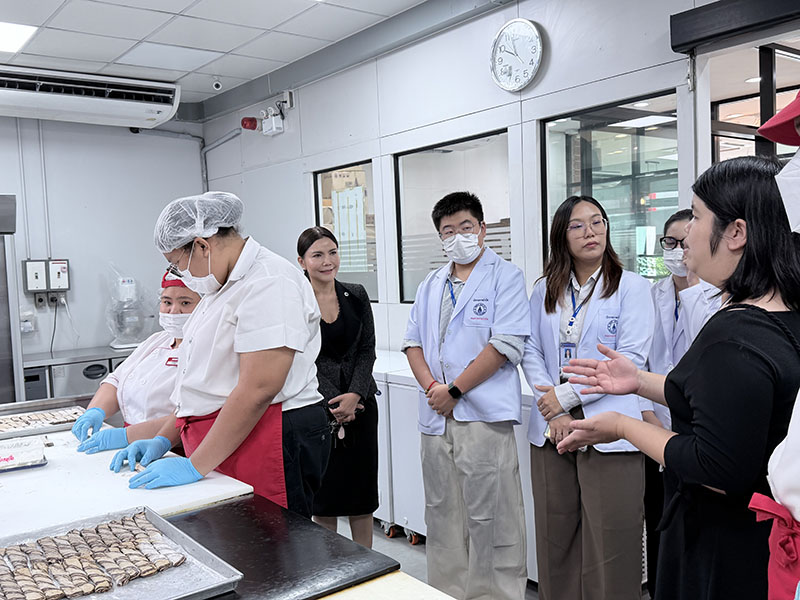
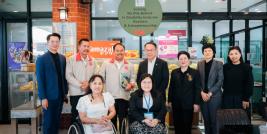
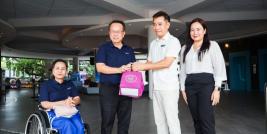
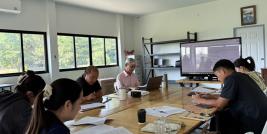
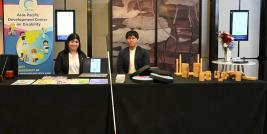
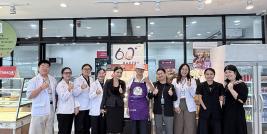
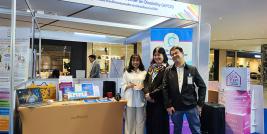
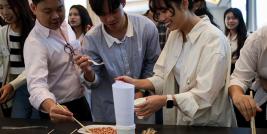
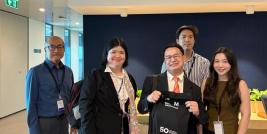
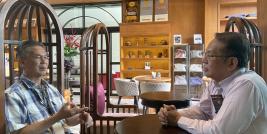
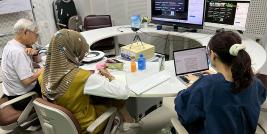
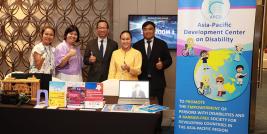
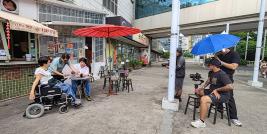
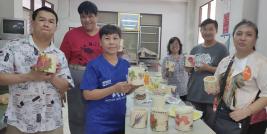
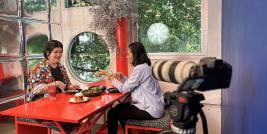
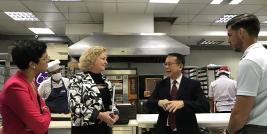
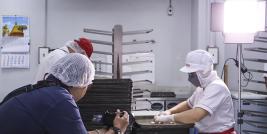
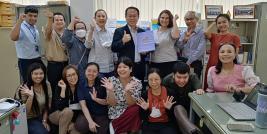
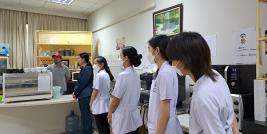
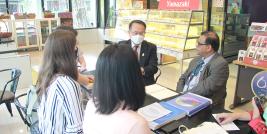
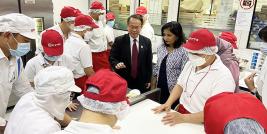
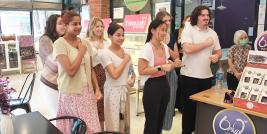
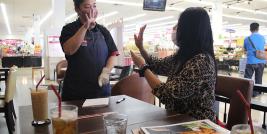
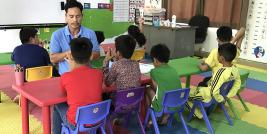
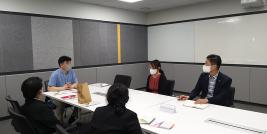
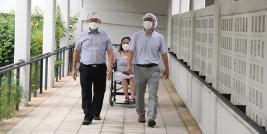
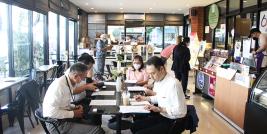
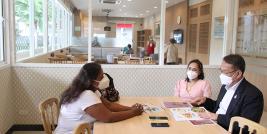
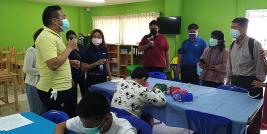
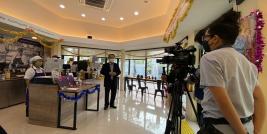
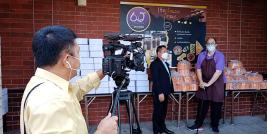
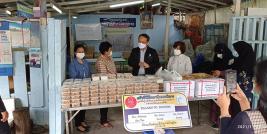
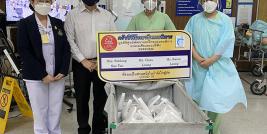
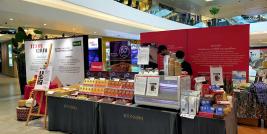
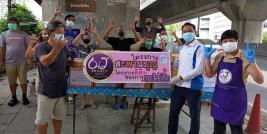
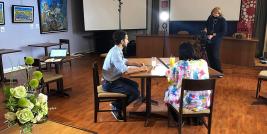
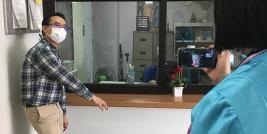
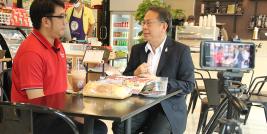
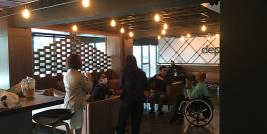
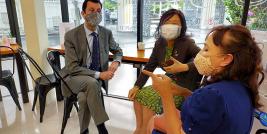
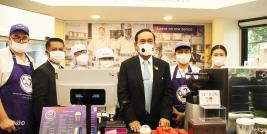
คณะนักศึกษาเยี่ยมชมเรียนรู้การจ้างงานที่คนพิการมีส่วนร่วมที่ร้านโครงการ APCD 60+ Bakery & Chocolate Café พานำชมโดยนางสาวศุภอนงค์ ปัญญาสิริมงคล
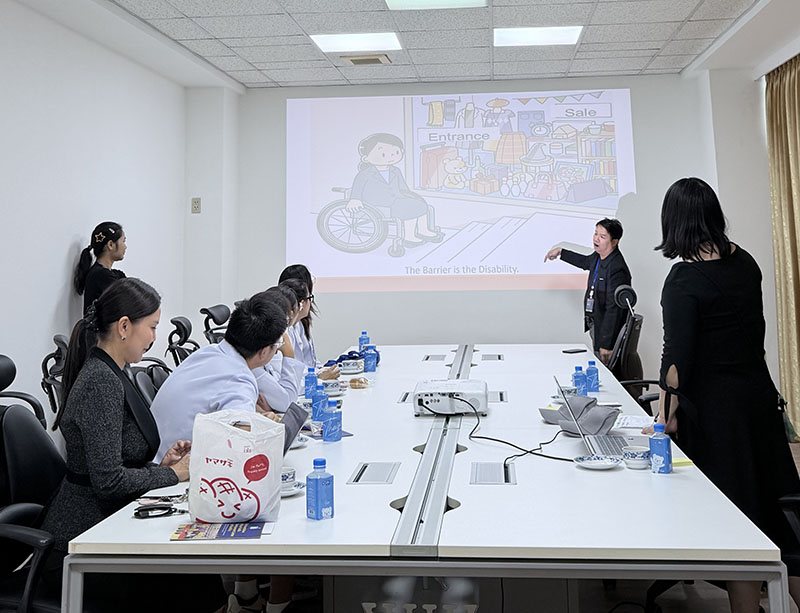
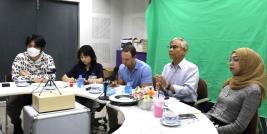
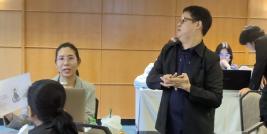
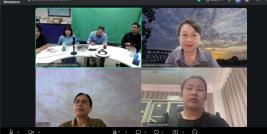
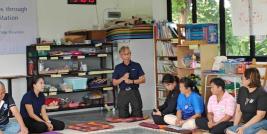
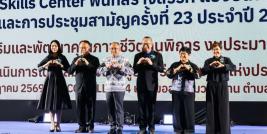
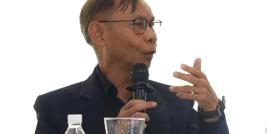
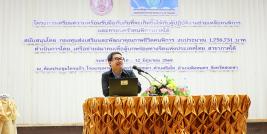
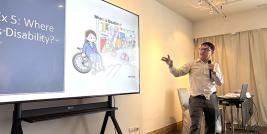
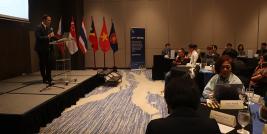
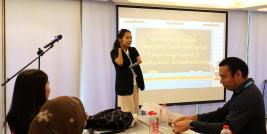
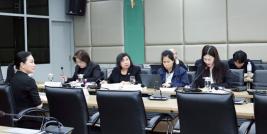
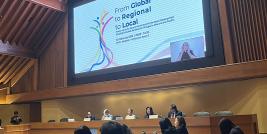
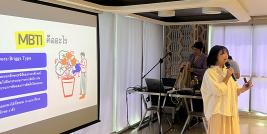
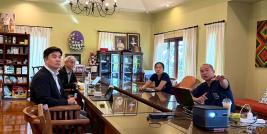
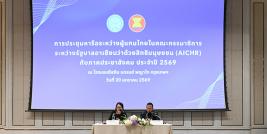
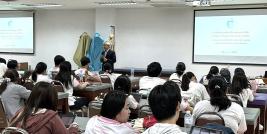
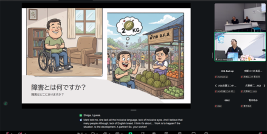
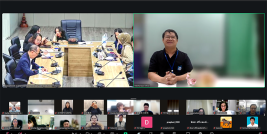
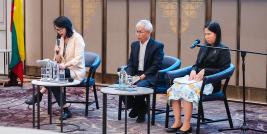
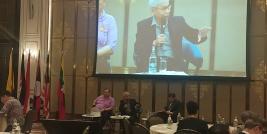
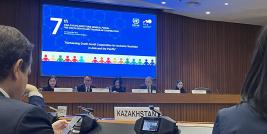
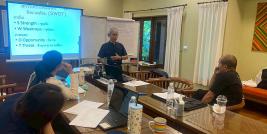
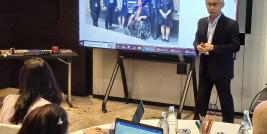
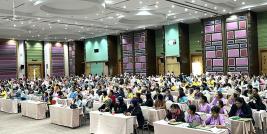
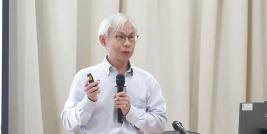
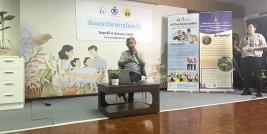
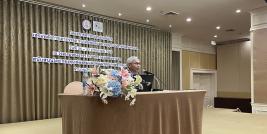
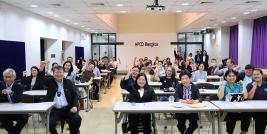
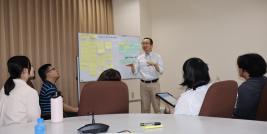
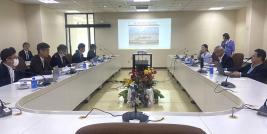
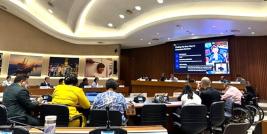
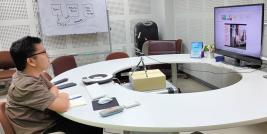
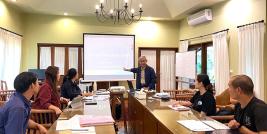
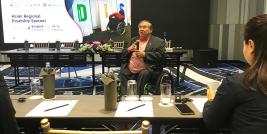
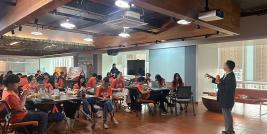
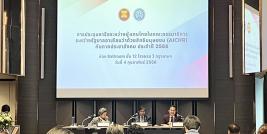
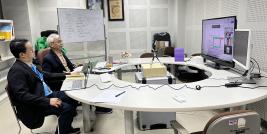
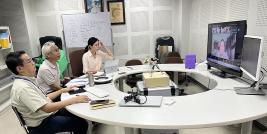
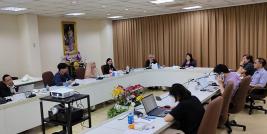
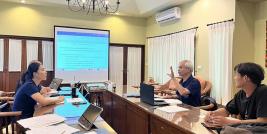
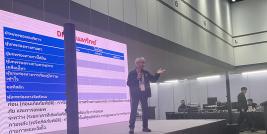
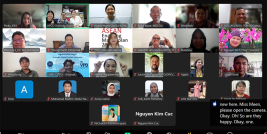
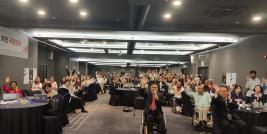
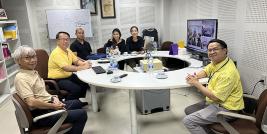
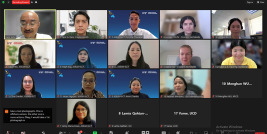
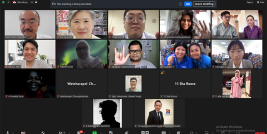
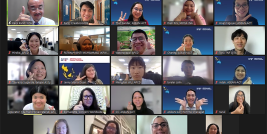
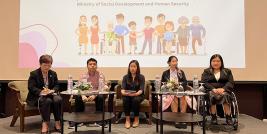
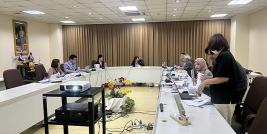
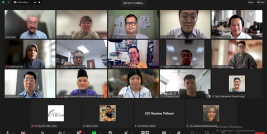
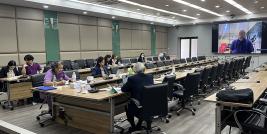
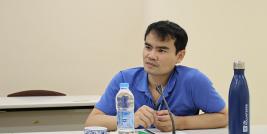
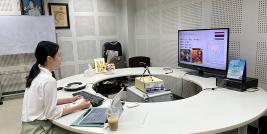
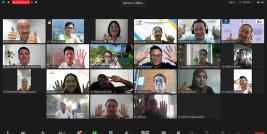
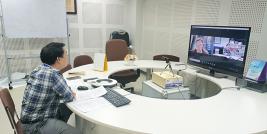
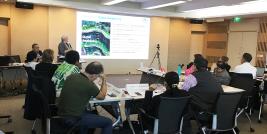
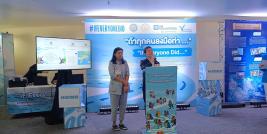
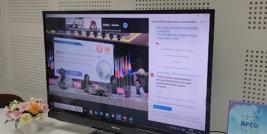
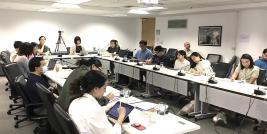
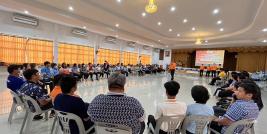
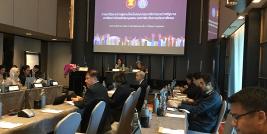
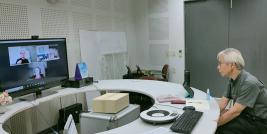
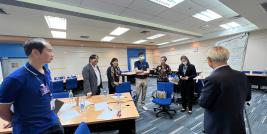
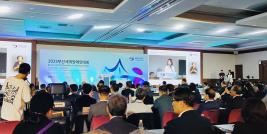
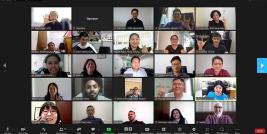
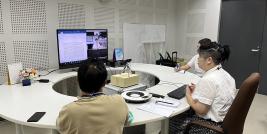
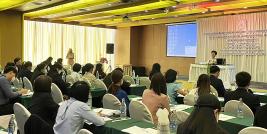
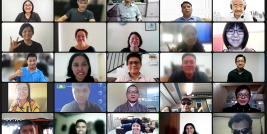
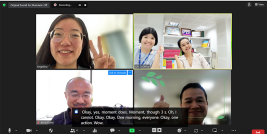
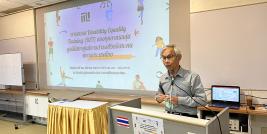
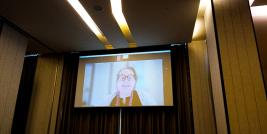
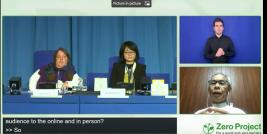
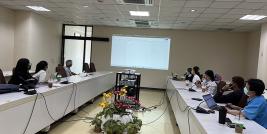
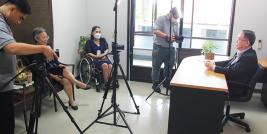
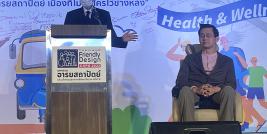
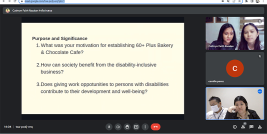
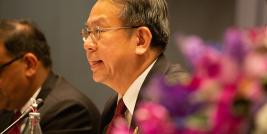
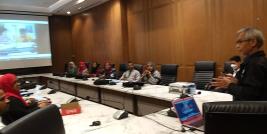
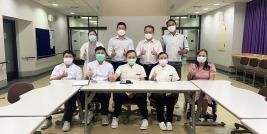
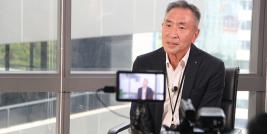
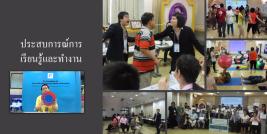
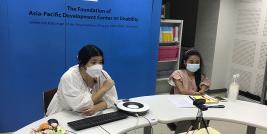
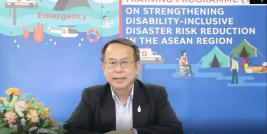
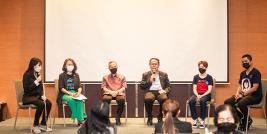
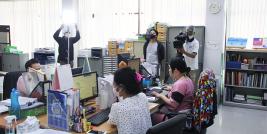
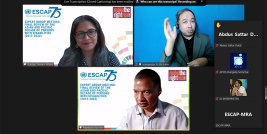
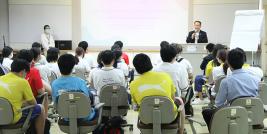
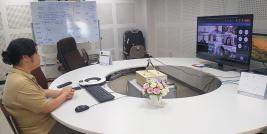
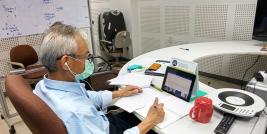
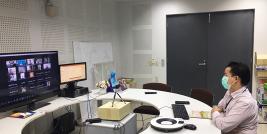
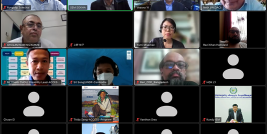
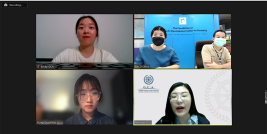
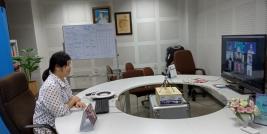
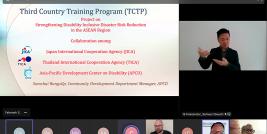
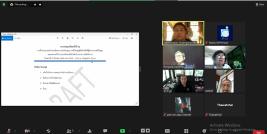
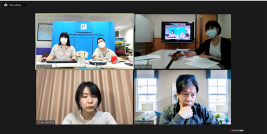
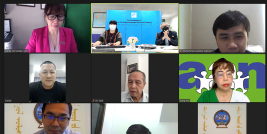
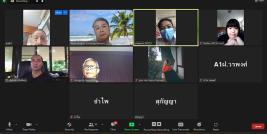
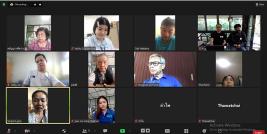
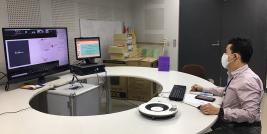
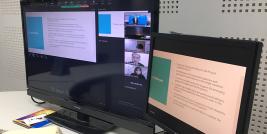
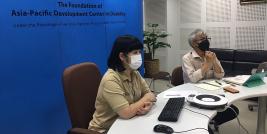
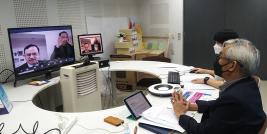
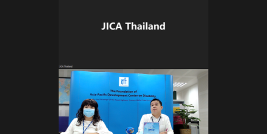
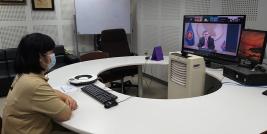
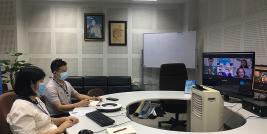
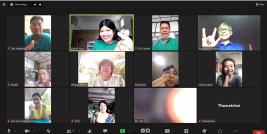
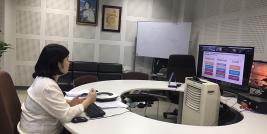
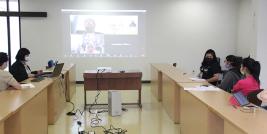
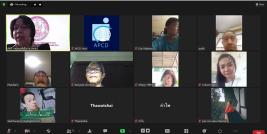
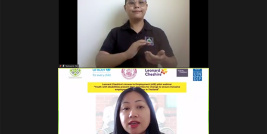
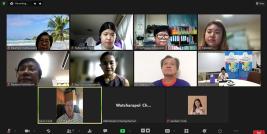
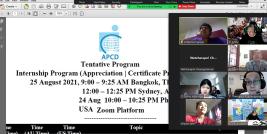
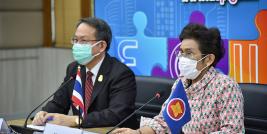
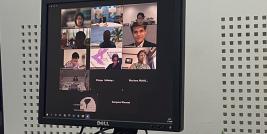
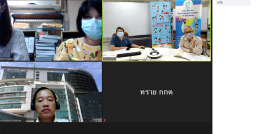
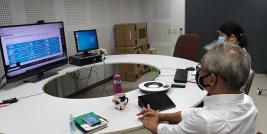
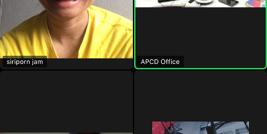
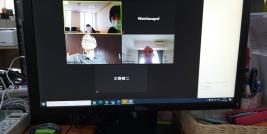
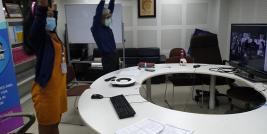
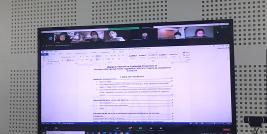
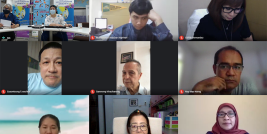
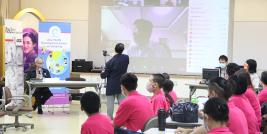
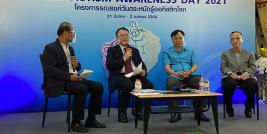
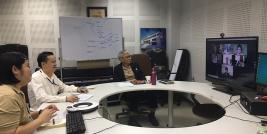
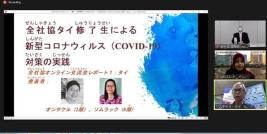
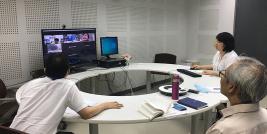
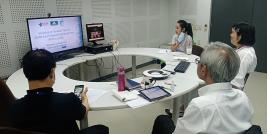
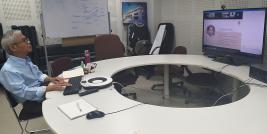
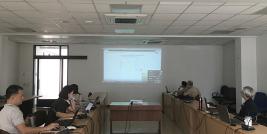
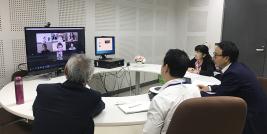
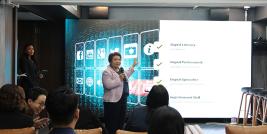
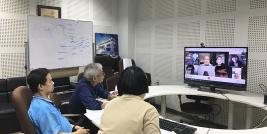
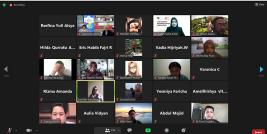
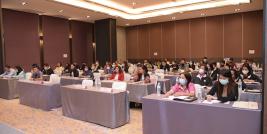
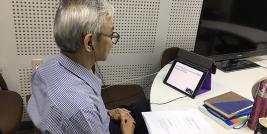
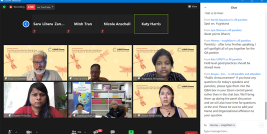
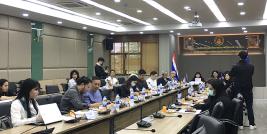
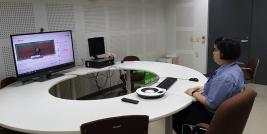
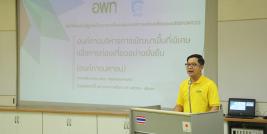
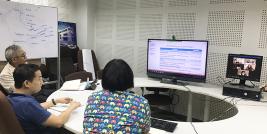
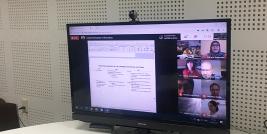
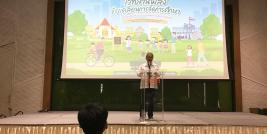
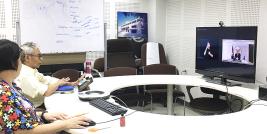
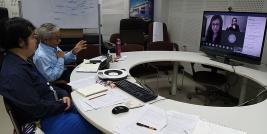
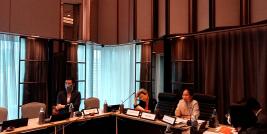
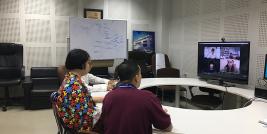
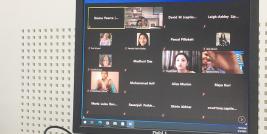
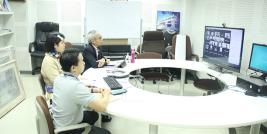
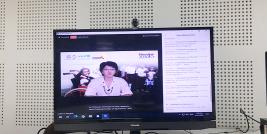
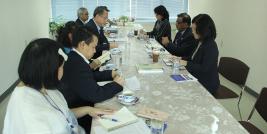
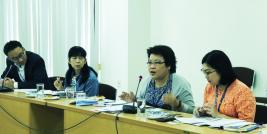
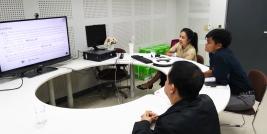
นายวัชรพล จึงเจริญ นำเสนอกิจกรรมระดับภูมิภาคของ ศพอ ด้านการพัฒนาคนพิการ
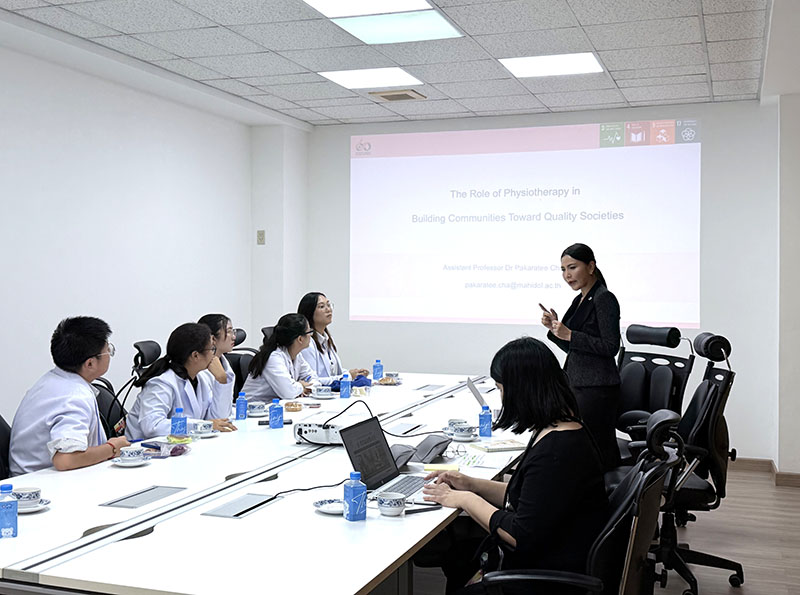
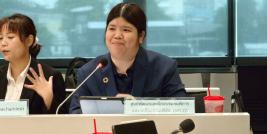
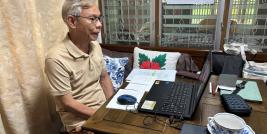
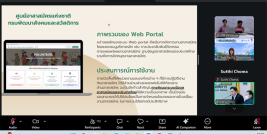
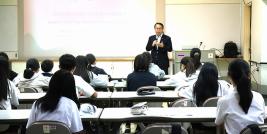
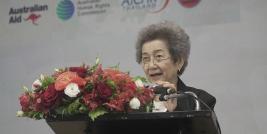
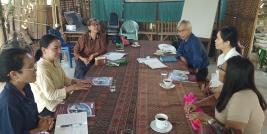
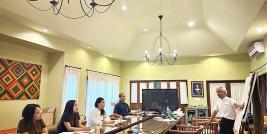
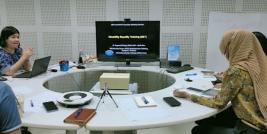
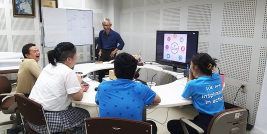
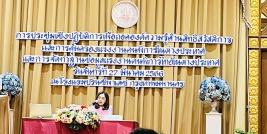
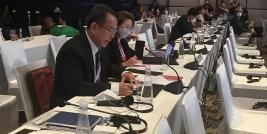
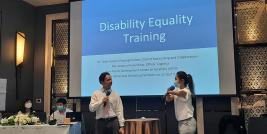
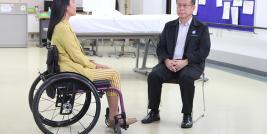
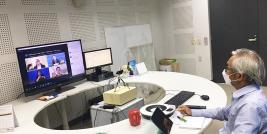
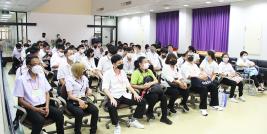
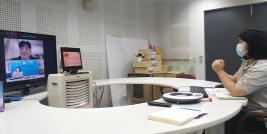
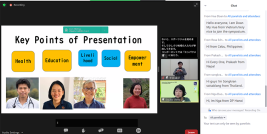
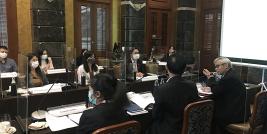
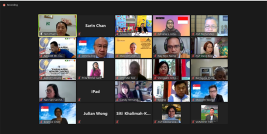
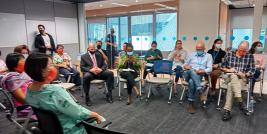
ดร.กภ. ภครตี นำเสนอหหลักการ การพัฒนาชุมชนที่ให้ทุกคนมีส่วนร่วม. CBID.
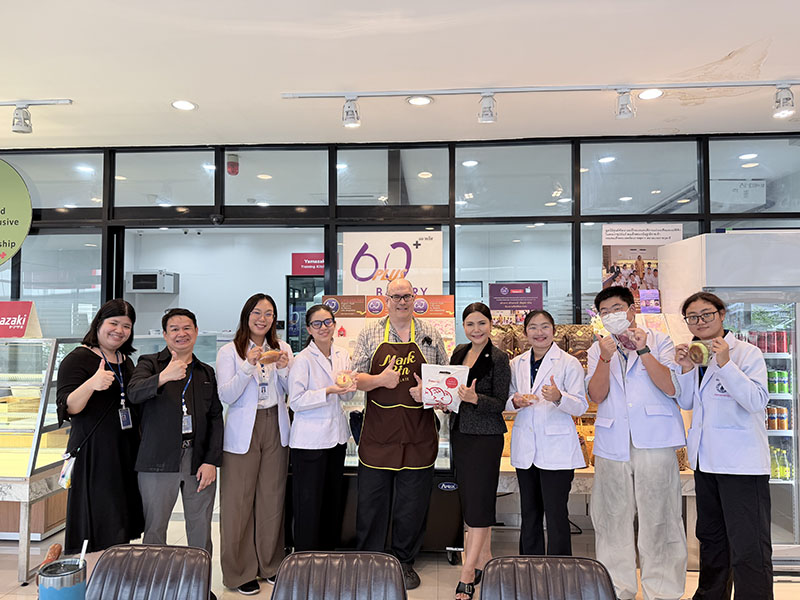
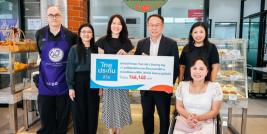
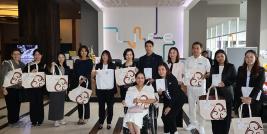
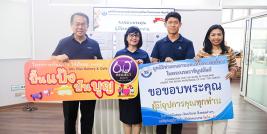
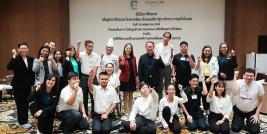
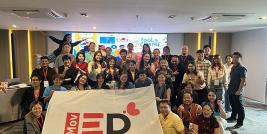
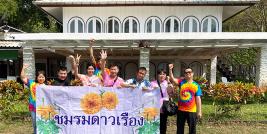
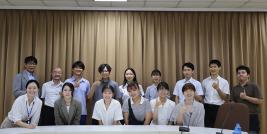
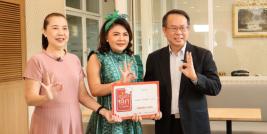
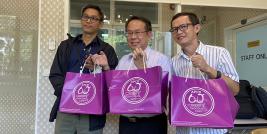
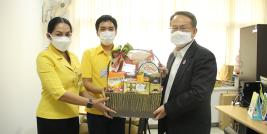
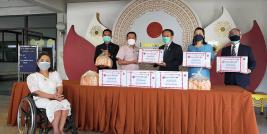
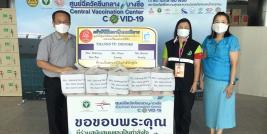
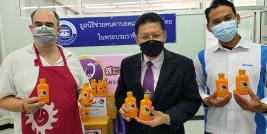
คณะนักศึกษาอุดหนุนขนมปังและถ่ายรูปหมู่กับเจ้าหน้าที่ ศพอ. ที่ร้าน APCD 60+ bakery & Chocolate café.
Master’s degree students from the Faculty of Physical Therapy, Mahidol University, visited the Asia-Pacific Development Center on Disability (APCD) as part of the course PTPT 677: Research, Laboratory, and Clinical Practice in Physical Therapy.
The study visit, organized in collaboration between APCD and the Faculty of Physical Therapy, aimed to enhance students’ understanding and practical skills through direct engagement in health promotion activities at the Center for Health and Fitness. The learning experience focused on evaluating and developing physical fitness among older adults and persons with disabilities.
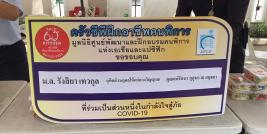
During the visit, students attended a presentation on APCD’s regional activities in disability development, shared by Mr. Watcharapol Cheungcharoen, followed by a tour of APCD’s 60+ Plus Kitchen by CP and 60+ Plus Bakery & Chocolate Café. The group was supervised by Assoc. Prof. Dr. Pakaratee Chaiyawat, provided academic guidance throughout the session on the concept of Community based Inclusive Development (CBID). The Faculty of Physical Therapy expresses appreciation to the Center for Health and Fitness for supporting the university’s educational mission.
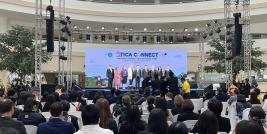
Through the activities and discussions, students had the opportunity to apply their academic knowledge in real-world contexts, promoting health and well-being through exercise, rehabilitation programs, and social inclusion—embracing the theme “Inclusion as Innovation: Leaving No One Behind in Sustainability and Communication.”
- 175 views